
Business & Economy

Filter by

Select Topics

Select Air Date

to

Select Segment Types

Segment Types

593 Segments

Sort:

Newest

37:59

Was The Stimulus Package 'Money Well Spent'?

Did the economic stimulus program amount to a costly failure, or save the U.S. from a depression? ProPublica investigative reporter Michael Grabell's new book explains how the 2009 stimulus package was passed and what happened to taxpayers' money.

Interview
05:32

'Love And Other Drugs': A Worthy Prescription

If you've seen the trailers-- or the cover of Entertainment Weekly -- you know the new romantic comedy is selling sex along with the laughs. But the "state-of-the-art zeitgeist sex comedy" also manages to deliver some strong satirical undertones.

Review
43:50

Jobs' Biography: Thoughts On Life, Death And Apple.

After Steve Jobs was diagnosed with cancer, he asked Walter Isaacson to write his biography. The new book tells the personal story of the man behind the personal computer — from his childhood in California to his thoughts on family, friends, death and religion.

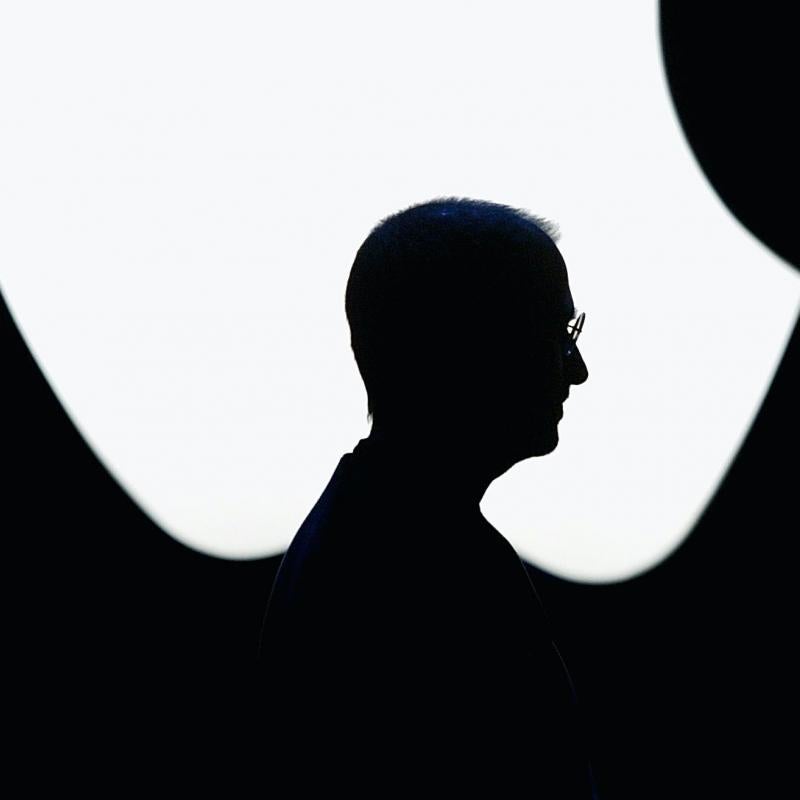
Steve Jobs in profile silhouette wide angle
06:44

Steve, Myself And i: The Big Story Of A Little Prefix.

The "i" prefix began as an abbreviation for the word "Internet," but ended up being much more than that. "By the time i- was fleshed out, Apple had transformed itself from a culty computer-maker to a major religion," says linguist Geoff Nunberg.

Commentary
05:01

'Margin Call': A Movie Occupied With Wall Street.

This fiscal thriller, starring Kevin Spacey, Zachary Quinto and Demi Moore, is set during one day in 2008, as a group of brokers try to prevent their firm from going belly up. David Edelstein says that given the headlines, the film's timing couldn't be better. (Recommended)

Review
06:49

Steve Jobs: 'Computer Science Is A Liberal Art.'

Everyone should be able to harness technology, Jobs told Fresh Air's Terry Gross in 1996. In memory of Apple's co-founder and former CEO, we listen back to excerpts of their conversation. "Our goal was to bring a liberal arts perspective ... to what had traditionally been a very geeky technology," he said.

Steve Jobs in profile silhouette wide angle
21:23

In The Obama White House, A Crisis Of 'Confidence'

Pulitzer Prize-winning journalist Ron Suskind talks about his unflattering picture of rivalries and dysfunction within President Obama's first economic team in his book Confidence Men: Wall Street, Washington, and the Education of a President. Some of officials quoted in the book say they were misquoted or that their comments were taken out of context.

Interview
42:52

Rating The Wall Street Ratings Agencies

When Standard & Poor's recently lowered the U.S. government debt rating for the first time in history, it set off a firestorm of criticism, from the Obama administration to Wall Street. The downgrade raised questions about the influence of S&P and other agencies, which also faced blame in the financial crisis of 2007-'08.

Interview
44:25

In '1493,' Columbus Shaped A World To Be

When Columbus crossed the Atlantic in 1493, his journey prompted the exchange of not only information but also food, animals, insects, plants and disease between the continents. In a new book, Charles C. Mann describes the aftermath of Columbus' arrival in the Americas.

Interview
42:47

Why Prosecutors Don't Go After Wall Street.

New York Times financial reporter Louise Story explains how guidelines issued by the Justice Department in 2008 have allowed prosecutors to take a softer approach to corporate crimes. To this day, no high-level executive has been charged in a case related to the 2008 financial crisis.

Interview
44:19

Examining Bernie Madoff, 'The Wizard Of Lies.'

New York Times financial writer Diana Henriques was the first journalist to interview Bernie Madoff after he was sent to prison. Henriques' new book, The Wizard of Lies, details how Madoff created the biggest Ponzi scheme in history after playing a prominent role in shaping modern markets.

Interview
05:32

'We're Broke': Empty Bank Accounts, Empty Meaning?

Linguist Geoff Nunberg says everyone's using the phrase "we're broke" these days to justify cuts in government programs and services. But what does "we're broke" actually mean? The answer, says Nunberg, is tricker than you think.

Commentary

Did you know you can create a shareable playlist?

Advertisement

There are more than 22,000 Fresh Air segments.

Let us help you find exactly what you want to hear.
Just play me something
Your Queue

Would you like to make a playlist based on your queue?

Generate & Share View/Edit Your Queue